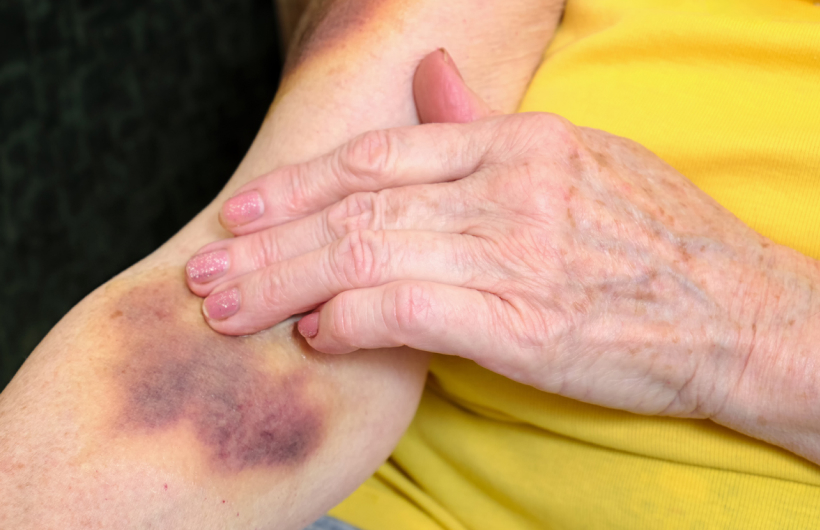
What Is Physical Abuse in Elderly Women?
Physical elder abuse involves deliberately using force against an older adult in a way that causes pain, injury, impairment, or distress.
Abuse can happen at home, in nursing homes or assisted living facilities, or anywhere an older person depends on someone else for care.
Examples of physical abuse in elderly adults may include:
● Burning
● Handling an older adult roughly
● Hitting or slapping
● Kicking
● Pushing or shoving
● Restraining someone against her will
● Striking with an object
● Using physical force for intimidation or control
Between 2002 and 2016, more than 643,000 U.S. adults over the age of 60 received treatment in emergency departments after being assaulted, and over 19,000 were murdered, per the CDC.
At Her Case Matters, we’re dedicated to supporting women who have been harmed by elder physical abuse. We may be able to help your family pursue legal options and recover compensation.
Get your free case review now to learn about filing a lawsuit for physical elder abuse.
Signs of Physical Abuse in Elderly Women
Sometimes elder physical abuse leaves an obvious injury. Often, however, it’s difficult to be certain. Staying alert for the signs of abuse can help you protect loved ones who may be vulnerable due to health or mobility problems.
Possible signs of elder physical abuse include:
- Broken bones or sprains
- Burns, cuts, or scars
- Fear or anxiety around a particular caregiver
- Frequent emergency room visits or hospitalizations
- Injuries that are inconsistent with a caregiver’s explanation
- Multiple injuries in different stages of healing
- Unexplained bruises
- Withdrawal or increased isolation
“If your loved one has dementia and you notice signs like bruises, fearfulness, withdrawal, weight loss, or changes in behavior, take it seriously. Even if they can’t explain what happened, those signs may point to abuse or neglect.”
— Ricky LeBlanc, elder abuse lawyer
One injury or fall doesn’t necessarily mean someone is a victim of elder physical abuse. Medications, health conditions, mobility problems, and other factors can make some older adults more likely to fall or bruise.
However, if injuries keep happening, the explanation from a caregiver doesn’t make sense, or your loved one’s behavior has changed, you have reason to be concerned. Pay attention and take action if your loved one seems frightened, uncomfortable, or simply unlike herself.
Physical mistreatment is one form of elder abuse. The signs of physical elder abuse may also indicate other types of harm, such as emotional abuse, sexual abuse, neglect, or financial abuse.
Physical Abuse of Elderly Women vs. Neglect
The physical abuse of elderly adults and neglect are two different types of mistreatment that can both cause serious injuries and may occur together.
Understand how to distinguish between physical elder abuse and neglect:
- Physical abuse involves a person actively harming your loved one. A caregiver or fellow resident who hits, kicks, pushes, or burns your family member is committing physical abuse.
- Neglect occurs when an older adult does not receive the care she needs. A medical condition could worsen when nursing home staff fail to provide needed treatment. For example, older adults who cannot move independently and aren’t repositioned properly may develop severe bedsores.
Sometimes the circumstances behind your loved one’s harm aren’t immediately clear. An injury may raise concerns about physical abuse, neglect, or both.
Families don’t have to know which type of elder mistreatment occurred before seeking help.
Call us at (877) 814-3168 now for next steps if you’re worried about nursing home abuse. You don’t need to have all the answers for us to help you.
Who Might Commit Physical Elder Abuse?
Elder physical abuse can be committed by someone an older adult knows, trusts, or depends on. That sometimes makes recognizing and reporting the danger particularly difficult.
The people responsible for elder physical abuse could be:
- A friend or acquaintance
- A nursing home or assisted living facility employee
- A spouse or partner
- An adult child or another family member
- An in-home caregiver
- Another resident of a long-term care facility
Family members were responsible for 47% of reported abuse incidents reported, while medical caregivers were involved in 13%, per the National Council on Aging.
Dependence can make these situations complicated. An older woman may rely on the person hurting her for food, medication, transportation, bathing, or other everyday needs.
She may also fear what will happen if she tells someone. She might worry that the abuse will get worse, that she’ll lose her caregiver, or that her family won’t believe her.
Why Women May Be Vulnerable to Physical Elder Abuse
Approximately 10% of U.S. adults over 65 are victims of some type of abuse each year, according to the Department of Justice. Certain circumstances can make an older adult more vulnerable to physical harm.
A woman may face greater risk of physical elder abuse if she:
- Has dementia, Alzheimer’s disease, or another cognitive impairment
- Has difficulty communicating
- Has limited mobility or another physical impairment
- Is socially isolated or has limited contact with family and friends
- Lives in a nursing home or another group setting
- Needs help with bathing, dressing, toileting, or other personal care
- Relies heavily on a caregiver
Cognitive impairment can make physical elder abuse more difficult to identify. A woman with dementia may struggle to explain what happened, remember details consistently, or identify the person who hurt her.
That doesn’t mean her concerns should be dismissed. Changes in memory or communication make it even more important to listen carefully and get help.
What Should You Do If You Notice a Nursing Home Injury?
Finding a bruise or injury on someone you love can be frightening, especially when you don’t know how it happened. Take any concerns you may have about the possibility of physical elder abuse seriously.
If you believe a loved one is facing elder physical abuse:
- Talk to her privately. Ask directly what caused an injury. Give her time to answer without suggesting what she should say.
- Seek medical care when needed. A health care professional can treat injuries and evaluate concerns about physical elder abuse.
- Write down what you notice. Keep track of injuries, dates, explanations, behavioral changes, or other details that concern you.
- Pay attention to patterns. A single bruise may have an innocent explanation. However, repeated injuries, changing stories, or growing fear around one person can all raise serious concerns.
- Report suspected physical elder abuse. You don’t need extensive evidence before contacting authorities to look into what happened.
If an older woman is in immediate danger or has suffered a serious physical injury, call 911 for emergency assistance.
How to Report Physical Abuse in the Elderly
Reporting physical abuse in the elderly may depend on where the suspected victim lives and the details of their situation. If you have serious concerns, don’t hesitate to ask for help.
You can report possible cases of physical elder abuse to:
- Adult Protective Services (APS): Your state or local APS agency investigates suspected abuse of vulnerable older adults in many community settings. Call their elder abuse hotline to file a report.
- Long-term care ombudsman: If you suspect abuse is occurring in a nursing home or another care facility, contact a local long-term care ombudsman. These resident-directed agents can resolve problems in assisted living facilities.
- Law enforcement: You should always call 911 if there’s an emergency such as a threat of physical violence or a life-threatening injury.
- Nursing home administration: In some cases, the administrators at a nursing home or long-term care facility may be able to assess and resolve a concerning situation.
- Her Case Matters: If a loved one has been physically injured, contact us for information about your legal options.
You aren’t responsible for conducting an in-depth investigation of physical elder abuse. If something feels wrong, reporting your concerns can allow professionals to determine whether further action is necessary.
Can You Take Legal Action for Elder Physical Abuse?
An older adult and her family may have legal options for pursuing justice when physical elder abuse causes injuries or other harm. Recovering compensation through a settlement or trial verdict can help with the costs of medical care, therapy, counseling, and more.
You could be eligible to file a legal claim against:
- The individual who committed the abuse
- A nursing home or assisted living facility
- Others who were responsible for your loved one’s safety
For example, a long-term care facility may be held accountable for failing to properly screen, train, or supervise a caregiver or ignoring earlier signs of elder physical abuse.
An elder abuse attorney can investigate the circumstances, review records, and help your family through every step of the legal process.
Get a free case review now from our team to determine if you or a loved one qualifies to work with a nursing home abuse lawyer.
Help Protect Her After Physical Elder Abuse
Discovering a loved one’s injury can be overwhelming and horrifying. You may wonder whether you’re overreacting, whether she’ll tell you what happened, or what you’re supposed to do next.
Listen to your loved one’s concerns. Help her get somewhere safe if necessary. Then, when you’re ready, Her Case Matters can help you consider what may come next.
Contact Her Case Matters for a free case review or call (877) 814-3168. If you’re eligible, we’ll connect you with experienced elder abuse attorneys who will listen to your concerns, investigate what happened, and explain your family’s legal options.
Physical Elder Abuse FAQs
What is considered physical elder abuse?
Physical elder abuse occurs when someone uses force to injure an older person, cause them pain, impair their movement, or make them feel distressed. Examples can include hitting, slapping, kicking, pushing, burning, or improperly restraining the victim.
To find out if an elder abuse lawyer could help you seek justice for a loved one, call (877) 814-3168 now.
What injuries may be signs of physical elder abuse?
Unexplained bruises, burns, cuts, broken bones, and other injuries can all be warning signs of physical elder abuse in private homes, nursing homes, or care facilities.
Repeated injuries, conflicting explanations from staff or caregivers, frequent hospitalizations, and changes in your loved one’s behavior — such as fear around a particular caregiver — are also reasons for concern.
A single injury alone doesn’t prove abuse occurred. However, you don’t need proof before asking questions or reporting a reasonable concern.
What should I do if my mother’s injuries don’t match the explanation I was given?
Talk with your mother privately if you can and ask what happened without suggesting an answer. Seek medical care for injuries when appropriate, write down what you’ve noticed, and pay attention to any patterns of similar incidents.
If you believe your mother is in immediate danger, call 911. You can also report suspected elder abuse to authorities such as Adult Protective Services (APS) or a long-term care ombudsman even if you aren’t certain what happened.
Is elder physical abuse the only type of elder abuse you can report?
No. You should report any form of suspected elder abuse or mistreatment to authorities and contact the police if you believe your loved one is in immediate danger.
Report all types of abuse, including:
- Abandonment
- Emotional abuse
- Financial exploitation
- Humiliation
- Intimidation
- Neglect
- Self-neglect
- Sexual abuse
- Verbal assault
You don’t need to know the full details before speaking up. If you’re concerned about an older woman’s safety or well-being, seek help to determine what steps may be needed.
Can you sue a nursing home for physically abusing a resident?
Yes, you may be able to take legal action if someone you love experiences elder physical abuse in a nursing home or care facility.
A facility can be held responsible in some cases, depending on the details of the abuse, who was involved, and whether failures involving hiring, training, supervision, or resident protection contributed to the abuse.
An elder abuse attorney can investigate the circumstances and explain the options available to your family. Get a free case review or call (877) 814-3168 to get started.

Written by: Her Case Matters
At HerCaseMatters, we believe women deserve to be heard — especially when it comes to their health and safety. Too often, harmful drugs, devices, and corporate wrongdoing impact women’s lives without proper warning, support, or accountability. We’re here to change that. We work with trusted legal partners who are deeply experienced in holding powerful companies accountable. But more than that, we’re here to remind women everywhere that their pain is real, their experiences matter, and they deserve justice.
- American Psychological Association. (July 8, 2024). Elder abuse: How to spot warning signs, get help, and report mistreatment. Retrieved from: https://www.apa.org/topics/aging-older-adults/elder-abuse.
- CDC. (November 7, 2024). About abuse of older persons. Retrieved from: https://www.cdc.gov/elder-abuse/about/index.html.
- Cleveland Clinic. (February 22, 2023). Elder abuse (abuse in older adults): Types & signs. Retrieved from: https://my.clevelandclinic.org/health/articles/15583-elder-abuse.
- National Council on Aging. (August 28, 2026). Get the facts on elder abuse. Retrieved from: https://www.ncoa.org/article/get-the-facts-on-elder-abuse/.
- National Institute on Aging. (July 21, 2023). Elder abuse. Retrieved from: https://www.nia.nih.gov/health/elder-abuse/elder-abuse.
- Sokolove Law. (October 1, 2026). Nursing home abuse. Retrieved from: https://www.sokolovelaw.com/nursing-home-abuse/.
- U.S. Department of Justice, Elder Justice Initiative. (n.d.). About elder abuse. Retrieved from: https://www.justice.gov/elderjustice/about-elder-abuse.