What Is a Nursing Home Abuse Injury?
Nursing home residents may get hurt or sick while living at long-term care facilities. While some injuries or illnesses are unavoidable, many residents suffer needlessly due to abuse or neglect.
Staff members and facility owners have a duty to protect nursing home residents, but in far too many cases, that trust is broken and residents get hurt as a result.
These are the most common nursing home abuse injuries:
- Bedrail injuries
- Bedsores (also called pressure ulcers)
- Falls
- Infections
For daughters, spouses, and caregivers, paying attention to unexplained injuries and getting prompt treatment are important steps to protecting loved ones.
If you or someone you love suffered serious injuries due to nursing home abuse, we may be able to help you seek legal accountability. Get a free case review now to learn more.
Common Types of Injuries From Nursing Home Abuse
Many different types of injuries could be the direct result of nursing home abuse or neglect. Learn about some of the most common nursing home abuse injuries and find out what you can do to keep your loved one safe.
Nursing Home Bedrail Injuries
Bedrails can be used to prevent residents from falling out of bed. However, residents with physical or mental impairments can sometimes get trapped between their bed and its rail, suffering serious harm or even death as a result.
In 2024, a nursing home staff member found a resident dead in her bed. The resident’s neck had been caught in the bedrail, causing her to suffocate, according to Consumer Reports.
Nursing Home Bedsores
Also called pressure ulcers, bedsores in nursing homes often develop in residents with mobility issues. If they can’t reposition, blood flow gets cut off to a part of the skin, which may eventually lead to an open wound.
In the most serious cases, known as stage 4 bedsores, the resident’s muscles or bones may be visible and the flesh may become necrotic.
Bedsores in nursing homes should be managed regularly — staff members are trained to address them in residents who have trouble moving on their own. If your loved one develops a new bedsore or existing ones are worsening, it may be evidence of nursing home neglect.
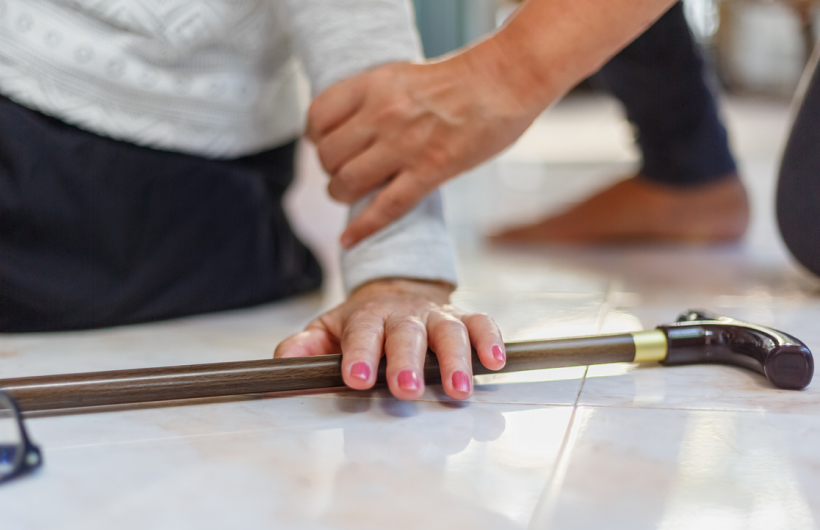
Falls in Nursing Homes
Nursing home residents who have mobility issues should be monitored to reduce their risk of falling. While not every nursing home fall is preventable, repeated or serious falls could mean something serious is going on.
For example, nursing homes that are chronically cluttered or dirty, with clothing lying out in common areas and bedrooms, could increase the risk of falls. In other cases, staff members may push residents out of frustration and say they accidentally fell.
In 2025, the Office of Inspector General found that Medicare-funded nursing homes failed to report 43% of all serious nursing home falls, including those that led to hospitalization.
Frail or weaker residents may suffer serious complications from falls, including concussions, broken bones, and deep wounds. Some residents might never recover full mobility if they suffer leg or spinal injuries. Severe fall complications can even lead to death.
Nursing Home Infections
Older nursing home residents run a higher risk of developing illnesses that are harder on their bodies as a result of infections that can spread. Even common diseases like the flu or COVID-19 can potentially be life-threatening for some.
All staff members should follow protocols for infection control in nursing homes. If they fail to do so, they could be to blame if a resident’s health takes a turn for the worse.
Signs of a Nursing Home Abuse Injury
Beyond physical marks, health problems that don’t go away or get worse, and even changes in your loved one’s personality could all be signs of injuries stemming from nursing home abuse.
These types of injuries may be signs of nursing home abuse:
- Evidence of physical injuries
- Injuries related to neglect
- Sexual injuries
- Unexplained emotional or psychological changes
Learn more about the most common signs of nursing home abuse injuries below and when you should take action to keep your loved one safe.
Physical Nursing Home Abuse Injuries
New or unexplainable bruises, broken bones, and much more could all indicate that another resident or staff member has physically abused your loved one.
Common signs of physical nursing home abuse include:
- Bedsores
- Broken bones and fractures
- Burns
- Cuts
- Dislocated joints
- Hair or tooth loss
- Head injuries
- Sprains
- Unexplained bruises
- Welts
Older adults in your life never deserved to suffer from nursing home abuse. Physical injuries like these can hinder their quality of life for years to come. Noticing these signs of physical nursing home abuse could help you step in early and keep your loved one as safe as possible.
Injuries Related to Nursing Home Neglect
When residents are suffering from nursing home neglect, existing health issues may worsen. New conditions or injuries can appear too, depending on the type of neglect.
Potential signs of nursing home neglect include:
- Dehydration
- Dirty living conditions
- Isolated falls
- Infections, respiratory conditions, UTIs, or sepsis
- Loss of mobility
- Malnutrition
- Sudden weight loss
- Unexplained broken bones or injuries
- Worsened hygiene
Even if the neglect wasn’t intentional, nursing home staff had a duty to keep your loved one safe. If they fail to do so, they could be directly responsible for the injuries that occurred.
Get a free case review now for help if your loved one has suffered from serious nursing home abuse injuries. We can assess what happened and recommend next steps.
Sexual Nursing Home Abuse Injuries
While it can be unthinkable, the sad reality is that elder sexual abuse does happen. Older adults, such as those with mental health issues like dementia may not be able to properly consent or suffer outright sexual battery from fellow residents or staff.
Signs of sexual nursing home abuse injuries include:
- Aggressiveness
- Agitation
- Bloody, stained, or torn linens or underwear
- Bruises around the genitals or inner thighs
- Fear of certain caregivers
- Inappropriate sexual behaviors
- Irritation, bleeding, or pain in the genital area
- Panic attacks
- Pelvic injuries
- Self-harm
- Sexually transmitted diseases (STDs)
- Unexplained difficulty sitting or walking
- Withdrawal
These injuries, coupled with the trauma associated with sexual abuse, can be difficult for older adults to recover from — but healing may be possible. The key is remembering that each could be a sign of sexual abuse in nursing homes or long-term care facilities.
Emotional or Psychological Injuries From Nursing Home Abuse
Signs of nursing home abuse or neglect aren’t always physical. Sometimes, they present as personality shifts or emotional swings that come on suddenly.
Here are signs a resident is suffering from emotional abuse:
- Agitation or personality changes
- Avoidance of eye contact with a specific caregiver
- Being shyer than usual
- Changes in sleeping or eating patterns
- Confusion
- Cowering
- Depression or unexplained crying
- Having low self-esteem
- Loss of trust or regression
- Nervousness
- Reluctance to talk openly
- Rocking back and forth
- Self-isolation
- Self-neglect or harm
- Sudden fear or anxiety around staff
- Withdrawal
Sometimes, these changes can come on from health issues related to aging, such as Alzheimer’s or dementia. But, if you think that something isn’t right, trust your gut and follow up.
Common Causes of Nursing Home Abuse Injuries
There is never a good excuse for a nursing home resident to suffer serious harm or a dangerous illness. While many factors influence the care that nursing homes provide, they should still treat residents with kindness and respect.
When staff members are careless, burnt out, or unable to provide basic care, they may be directly responsible for the harm that occurs as a result.
Reasons nursing home abuse injuries occur include:
- Delayed medical treatment
- Failure to follow care plans
- Failure to monitor residents
- Hiring of dangerous individuals
- Medication errors
- Poor supervision
- Physical abuse by staff or residents
- Understaffing
- Unsafe facility conditions
For families, it can be difficult to accept that elder abuse may have been preventable. Many women find themselves questioning whether enough was done to protect a parent, spouse, grandparent, or other loved one after a serious injury.
It’s important not to blame yourself. Nursing homes had a duty to provide appropriate care. They can — and should — be held accountable if your loved one was seriously injured in a long-term care setting.
How to Take Action After Spotting Nursing Home Abuse Injuries
If a loved one suffers a serious injury in a nursing home, taking action quickly may help protect their health, get them to a safer location, and preserve important evidence.
Always dial 911 in the event of a medical emergency.
Other ways to take action for nursing home abuse injuries include:
- Seek immediate medical care so the nursing home resident has the best chance of recovering.
- Request copies of medical records in cases of serious illnesses to get an idea about how the facility was treating the resident leading up to and during their illness.
- Photograph injuries and unsafe conditions — even if you aren’t sure nursing home abuse or neglect took place, it’s always a good idea to collect evidence in the event something really is wrong.
- Document conversations with staff members to have a paper trail. If their actions don’t match what they’ve told you, there may be more to look into.
- Report concerns to facility leadership or long-term care ombudsmen, who may be able to work with you to resolve concerns that may be less serious.
- Contact Adult Protective Services if nursing home abuse or neglect is suspected.
- Speak with a nursing home abuse injury lawyer to learn about civil legal options so you can pursue justice.
Ready to get started? Get a free case review now to find out if you can seek compensation for nursing home abuse injuries. Our compassionate patient advocates can assess your situation.
Get Legal Support After Nursing Home Abuse Injuries
Nursing home abuse injuries like broken bones, bedsores, and infections can all lead to long-term health problems — and in many situations, abuse is behind what happened.
If your loved one suffered a serious injury in a nursing home, it’s important to understand what happened and whether neglect or abuse may have played a role.
At Her Case Matters, we believe families deserve answers when a loved one is harmed.
We’re here to help you:
- Explore examples of nursing home abuse injuries
- Find ways to protect older residents you love
- Pursue legal compensation, if eligible
Get your free case review now or call (877) 814-3168 to get started with our team’s help.
Nursing Home Abuse Injuries FAQs
What are common nursing home abuse injuries?
Common injuries that may be associated with nursing home abuse or neglect include bedsores, falls, broken bones, and serious infections. Nursing home staff are trained to help residents feel their best, not make things worse.
However, horrific examples of nursing home abuse leading to serious injuries or death continue to make headlines each year.
In June 2026, headlines revealed that several Kentucky nursing home residents sat with necrotic, untreated wounds rotting, with unexplainable broken bones and other injuries reported too. The nursing home in question faced nearly half a million dollars in fines.
If you think your loved one has experienced nursing home abuse injuries, contact us today. Our team can help you get clarity.
What are the red flags of nursing home abuse?
Common red flags of nursing home abuse include unexplainable injuries, illnesses, or emotional changes in your loved one. If a resident isn’t getting better, it could mean that staff members are neglecting their needs or even being directly abusive.
Even if you aren’t sure if abuse is taking place, it’s always a good idea to take action if your loved one was hurt. Facility staff members or your state’s Long-Term Care Ombudsman program could help investigate your loved one’s injuries.
Who is the abuse coordinator in a nursing home?
Abuse coordinators are members of staff who help document complaints related to mistreatment and work to resolve them internally. They are often higher-level staff members, like senior administrators or directors.
They will listen to your concerns and recommend next steps if something more serious is going on.
What is the most common injury among elderly people?
Falls are one of the most common injuries among older adults that lead to death, according to the Centers for Disease Control and Prevention (CDC). They account for 56.3% of all accidental fatalities among those aged 65 and older.
Nursing home staff members should take precautions to reduce the risk of residents falling. This includes keeping the common areas and bedrooms free from clutter and taking extra time to help residents with mobility issues as needed.
How do I find a nursing home abuse injury lawyer?
Contact Her Case Matters at (877) 814-3168 now for help finding a nursing home abuse injury attorney. We’ve partnered with experienced personal injury attorneys who handle nursing home and elder abuse cases across the country.
If eligible, the nursing home abuse injury lawyers in our network can assess your situation, file a lawsuit on your behalf, and work to negotiate financial payouts to cover what happened.
What are the 5 R's of abuse?
The 5 R’s of abuse are:
- Recognize potential signs early on
- Respond to them quickly to keep victims safe
- Report abuse to proper authorities
- Record facts, photographs, and witness statements
- Refer the situation to professional agencies as needed
Family members and staff should remember the 5 R’s if they notice possible nursing home abuse injuries among residents and take action.
Do personal injury attorneys handle nursing home abuse cases?
Yes, there are many personal injury attorneys experienced in nursing home abuse. Ideally, you’ll want to work with an attorney who’s part of a national nursing home abuse law firm. These lawyers will have the skills and resources necessary to build a stronger case than a general personal injury attorney.
Get a free case review now to learn if you are able to work with the nursing home abuse injury lawyers in our network without paying upfront or hourly fees.

Written by: Her Case Matters
At HerCaseMatters, we believe women deserve to be heard — especially when it comes to their health and safety. Too often, harmful drugs, devices, and corporate wrongdoing impact women’s lives without proper warning, support, or accountability. We’re here to change that. We work with trusted legal partners who are deeply experienced in holding powerful companies accountable. But more than that, we’re here to remind women everywhere that their pain is real, their experiences matter, and they deserve justice.
- Agency for Healthcare Research and Quality. (n.d.). Pressure Ulcer Treatment Strategies: Comparative Effectiveness. Retrieved from: https://effectivehealthcare.ahrq.gov/sites/default/files/related_files/pressure-ulcer-treatment_executive.pdf.
- Centers for Disease Control and Prevention. (n.d.). Common Injuries as We Age. Retrieved from: https://www.cdc.gov/still-going-strong/about/common-injuries-as-we-age.html.
- Centers for Disease Control and Prevention. (n.d.). Nursing Home Care. Retrieved from: https://www.cdc.gov/nchs/fastats/nursing-home-care.htm.
- Lexington Herald Ledger. (2026, June 9). Seniors left to rot in bed suffered severe injuries in KY nursing home, records say. Retrieved from: https://www.kentucky.com/news/politics-government/article315969122.html.
- National Center on Elder Abuse. (n.d.). Identify Abuse. Retrieved from: https://ncea.usc.edu/identify-abuse/.
- National Institute on Aging. (n.d.). Elder Abuse. Retrieved from: https://www.nia.nih.gov/health/elder-abuse.
- National Institute on Aging. (n.d.). Falls and Fractures in Older Adults. Retrieved from: https://www.nia.nih.gov/health/falls-and-falls-prevention/falls-and-fractures-older-adults-causes-and-prevention.
- National Institutes of Health. (n.d.). Urinary Incontinence in Older Adults. Retrieved from: https://www.nia.nih.gov/health/bladder-health-and-incontinence/urinary-incontinence-older-adults.
- One Education. (n.d.). Protecting Lives How the 5 Rs of Safeguarding Work in Practice. Retrieved from: https://www.oneeducation.org.uk/protecting-lives-how-the-5-rs-of-safeguarding-work-in-practice/.
- Sokolove Law. (n.d.). Nursing Home Abuse. Retrieved from: https://www.sokolovelaw.com/nursing-home-abuse/.