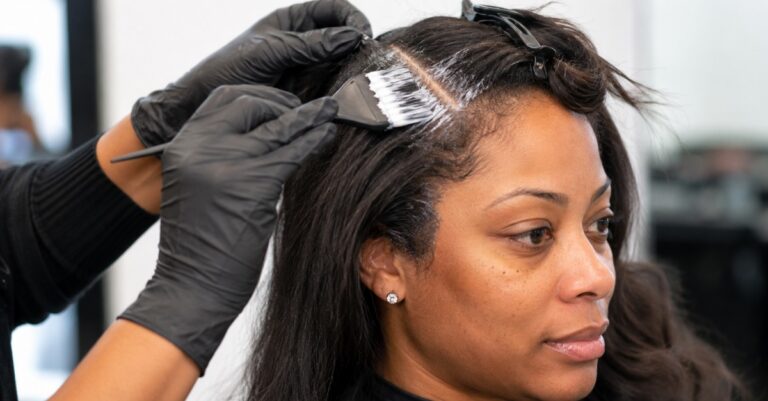
For decades, women trusted chemical hair straighteners and relaxers to change their looks. However, it’s now believed that using hair relaxer products could lead to a higher risk of serious cancers, including uterine cancer.
A report from the National Institutes of Health (NIH) found that women who used hair straighteners or relaxers 4 times or more for a year’s time were twice as likely to develop uterine cancer. Black women accounted for 6 out of 10 people diagnosed.
Now, more women who relied on hair relaxers and straighteners are pursuing legal action through lawsuits to pursue justice for hair relaxer cancers.
Get a free case review now to find out if you may be able to file a hair relaxer cancer lawsuit.
Why Are Hair Relaxer and Straightener Lawsuits Being Filed?
Understanding this litigation requires understanding why chemical hair relaxers became so popular among women of color.
Hair straightening was not simply a cosmetic preference. For many Black women, it was a response to discrimination.
Recent studies have found that:
- Up to 95% of adult Black women have used hair relaxers at some point
- 80% of Black women felt the need to straighten their hair to fit in at work
- 66% felt obligated to straighten their hair before a job interview
The companies that manufactured, marketed, and profited from that pressure may have known that the chemicals in hair straighteners could cause harm. Ongoing lawsuits seek to right these wrongs.
To date, over 10,000 hair relaxer claims have been filed in a type of collective product liability lawsuit known as a multidistrict litigation (MDL).
The Studies at the Center of Hair Relaxer Lawsuits
Chemical hair straightener litigation centers on a landmark 2022 study from the NIH, where it was found that women had a higher risk of cancer after using chemical hair straighteners.
The NIH study revealed that:
- Around 6 out of 10 study participants were Black women
- Chemicals in hair straighteners like parabens, formaldehyde, bisphenol A, and can mimic or amplify estrogen in the body and potentially increase cancer risk
- The women who frequently used hair straighteners were more than twice as likely to develop uterine cancer
The NIH study was not an isolated finding. A study published in Environmental Research found that long-term use of chemical hair relaxers was linked to higher odds of uterine cancer. Women who used relaxers for 20 or more years showed a 71% higher risk compared to those who didn’t.
Earlier studies from the same cohort had also connected hair relaxers to uterine fibroids, a condition estimated to affect 80% of Black women over their lifetime, as well as breast cancer, ovarian cancer, and earlier onset of puberty.
2026 Status of the Hair Relaxer Cancer Lawsuit
As of 2026, there are 11,877 plaintiffs in the federal hair relaxer MDL. The litigation is currently the fourth-largest active mass tort in the United States.
Additionally, more hair relaxer cases are pending in state courts in:
- Georgia
- Illinois
- New York
- Pennsylvania
- Additional states
The defendants named include companies behind high-profile beauty brands like L’Oréal®, Revlon®, Strength of Nature®, Namaste®. These companies allegedly marketed hair straighteners to Black and Brown women while failing to warn about the risks.
No global settlement has been reached, and no plaintiff has received a settlement payout through the federal MDL just yet. The first hair relaxer trials are slated for 2027.
Get a free case review to find out if you can file a hair relaxer or straightener lawsuit, too.
Help Filing Hair Relaxer or Straightener Lawsuits
If you or a woman you love used chemical hair straighteners or relaxers and is now sick with uterine or ovarian cancer, you may be eligible to file a claim.
At Her Case Matters, we may be able to help you:
- Determine if you’re qualified to file a hair relaxer lawsuit
- Get connected with attorneys involved with the litigation
- Pursue the meaningful financial payouts for your case
Our caring and dedicated patient advocates are standing by to offer support to women and families harmed by hair relaxers and straighteners.
Get a free case review now or call (877) 640-6101 to find out your eligibility to file.