What Are the Signs of Elder Abuse?
Elder abuse can take several forms, depending on where a person lives and who takes care of them. Since the warning signs of elder abuse can start slowly and get worse over time, family members may miss them at first.
These are the signs of elder abuse:
- Emotional changes
- Physical injuries
- Poor living conditions
- Sexual injuries
- Unapproved financial transactions
You may notice small changes that seem odd before realizing something more serious may be happening. Because mistreatment often occurs behind closed doors, looking for the signs of elder abuse and trusting your gut is crucial.
Reach out to our team if you want to take legal action after elder maltreatment.
Signs of Emotional Elder Abuse
Elder abuse may not leave physical evidence. Emotional and psychological abuse can have significant effects on someone’s mental and emotional well-being.
Warning signs of emotional elder abuse may include:
- A sudden change in behavior
- Anxiety or depression
- Appearing fearful or nervous around a caregiver
- Becoming unusually agitated
- Expressions of humiliation, shame, or fear
- Reluctance to speak openly in front of a caregiver
- Rocking or other repetitive self-soothing behaviors
- Social isolation or withdrawal from loved ones
Emotional abuse may involve threats, intimidation, manipulation, or controlling behavior. The resulting personality changes or loss of confidence may be warning signs of elder abuse.
Signs of Physical Elder Abuse
Physical elder abuse occurs when an older adult is intentionally harmed by someone hitting, slapping, pushing, restraining, or violently hurting them in other ways.
These are some signs of physical abuse:
- Burns or rope marks
- Delays in seeking treatment for injuries
- Fearfulness around a particular caregiver or family member
- Repeated injuries with inconsistent explanations
- Sprains, broken bones, or bone fractures
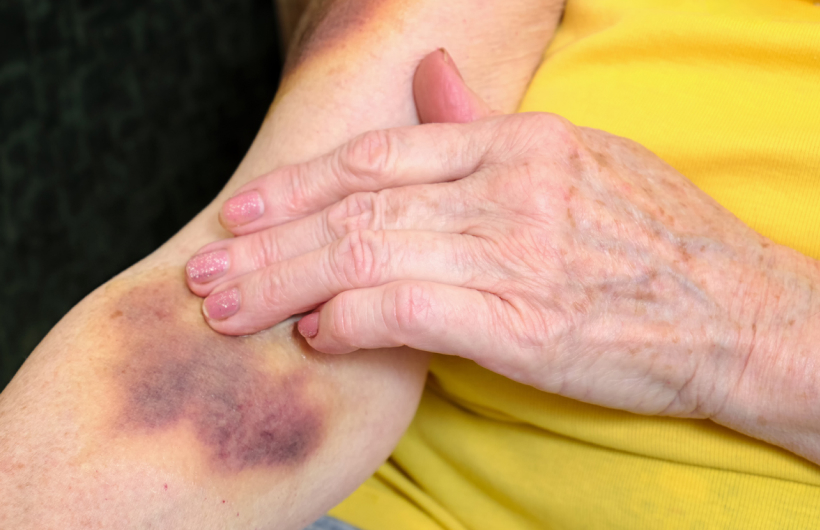
- Unexplained bruises, welts, cuts, or black eyes
While accidents can happen, signs of physical abuse in elderly loved ones should never be ignored. If someone appears fearful when asked about an injury or provides conflicting explanations, it may be important to investigate further.
Signs of Elder Neglect
Neglect occurs when a caregiver fails to provide necessary supervision or assistance, causing a senior to suffer. In some cases, older adults may also experience self-neglect when they are unable to meet their own basic needs.
Here are signs of elder neglect:
- Abandonment by a caregiver
- Bedsores
- Confinement
- Dehydration
- Dirty dishes left in the sink
- Malnutrition
- Poor personal hygiene
- Soiled bedding or clothing
- Unsafe living conditions
- Untreated medical conditions
- Unwashed piles of laundry
Neglect can be especially dangerous because it’s hard to spot but can be deadly. Conditions such as dehydration, infections, and malnutrition can quickly become life-threatening health concerns if left unaddressed.
Signs of Sexual Elder Abuse
Sexual elder abuse can occur anywhere — at home, in a nursing facility, or another long-term care setting. Perpetrators may include caregivers, family members, friends, or other residents.
Possible warning signs of sexual abuse in seniors include:
- Bruising or injuries involving the genital area
- Fear of specific caregivers or staff members
- Pain while sitting or walking
- Sudden emotional withdrawal or distress
- Torn, stained, or bloody clothing
- Unexplained sexually transmitted infections
Because many older adults feel embarrassed, frightened, or unable to report sexual elder abuse, family members should take concerns seriously and seek immediate help if abuse is suspected.
Signs of Elder Financial Abuse
Financial abuse and exploitation can leave older adults vulnerable to significant hardships. They may not know it’s happening until their life savings or most valuable assets are gone.
These are some signs of financial elder abuse:
- Missing financial documents
- Missing possessions or valuables
- New loans, credit cards, or financial accounts
- Sudden changes to a power of attorney
- Unexplained withdrawals from bank accounts
- Unpaid bills despite sufficient income
- Unusual purchases or transfers of money
Financial abuse may be committed by strangers, caregivers, family members, or other trusted individuals. People diagnosed with dementia may face a higher risk of exploitation because they’re less able to advocate for themselves.
If you think your loved one has shown any warning signs of elder abuse, report the situation to local authorities. You may also qualify to take legal action and seek compensation through an elder abuse lawsuit.
Get a free case review now to learn more.
Signs of Elder Abuse in Nursing Homes and Care Facilities
Families should keep an eye out for warning signs of abuse or neglect when a loved one resides in a nursing home or a long-term care home. Neglect and abuse happen even in highly rated facilities.
Potential warning signs of elder abuse in nursing homes include:
- Bedsores
- Dehydration or malnutrition
- Frequent falls
- Overmedication
- Poor hygiene
- Staff preventing private visits
- Sudden behavioral changes
- Unexplained injuries
- Unsanitary conditions
Trust your instincts if something feels wrong. Repeated concerns, unanswered questions, or severe declines in a loved one’s health may be signs of nursing home abuse and warrant investigation.
Risk Factors for Elder Abuse
You may be able to spot the warning signs of abuse more easily if you know your loved one is at a higher risk of elder mistreatment. Their health or the facility’s overall rating are only two potential issues that could influence their safety.
These are the risk factors for elder abuse:
- Caregivers with high stress
- Declining mental health
- Increased dependence on caregivers
- Intellectual disability
- Mental illness
- Physical impairment
- Social isolation
- Substance abuse
If your loved one has one or more of these factors, watch carefully for signs of elder abuse. Visit them more frequently, ask questions, and don’t hesitate to report anything that doesn’t look or feel right.
Why Elder Abuse and Dementia Are Often Tied Together
Older adults with dementia might be particularly vulnerable to neglect, financial exploitation, emotional abuse, and other forms of mistreatment because they often depend heavily on others for care and decision-making.
A study in The Gerontologist found that 47% of caregivers for people with dementia or Alzheimer’s self-reported that they abused the people in their care.
Some family members or friends may dismiss concerns simply because their loved one has dementia. However, unexplained injuries, financial transactions, or behavioral changes should never be ignored.
What Should You Do if You Notice Signs of Elderly Abuse?
If you notice possible signs of elder abuse in a loved one, trust your instincts. Many resources can help you understand what you’re seeing, investigate the abuse, and get your loved one to safety.
You can take these steps if you see warning signs of elder abuse:
- Call 911: Don’t wait if your loved one is in immediate danger or if a crime may have been committed.
- Document what you’re seeing: Take pictures or notes about your loved one’s injuries, behavioral changes, or worrying conditions.
- Get medical advice: Speak with medical providers about your concerns.
- Request an investigation: Contact your state’s APS program if abuse, neglect, or exploitation is suspected.
- Relocate your loved one: Move your family member to a new living facility if applicable.
- Get new caregivers: If your loved one receives in-home care from someone you think abused them, request a new caregiver or start working with a new care agency.
- Take legal action: Consider speaking with an elder abuse lawyer to see if you qualify to seek compensation for the harm done to your loved one.
Going with your gut may help prevent additional harm and connect your loved one with the support they need.
Once your family member is in a safer place, reach out about filing an elder abuse lawsuit. You may qualify to pursue a settlement that helps you pay for their newly scheduled caregiver or living facility.
Get a free case review now for more information.
Get Legal Support After Spotting Signs of Elder Abuse
Many cases of elder abuse, neglect, and financial exploitation are discovered by family members who notice small changes over time. If something doesn’t feel right, it’s okay to ask questions and seek help.
At Her Case Matters, we believe older adults deserve dignity, safety, and respect. If you’re concerned about an aging loved one, we’re here to help you understand your options and find the support you need.
Our partner elder abuse attorneys have recovered $10.5 Billion to date for victims of injustice, including those who have experienced elder abuse.
Get a free case review now or call (877) 814-3168 to talk about whether you’ve seen the warning signs of elder abuse and qualify to take legal action.
Signs of Elder Abuse FAQs
What are the red flags for elder abuse?
The red flags of elder abuse include any signs that your loved one may not be getting the care that they deserve. They can be physical, emotional, or financial changes that might be easy to miss.
The red flags for elder abuse include:
- Broken eyeglasses
- Bruises
- Bruises around the genitals or breasts
- Changes in sleeping or eating habits
- Dehydration
- Malnutrition
- Sudden behavioral changes
- Unexplained financial transactions
Visiting your loved one regularly and taking mental notes about their care will help you see these red flags and other warning signs of elder abuse. Don’t hesitate to report something that feels wrong.
Filing an elder abuse lawsuit could help you recover compensation for the harm done to your loved one. Contact us now to discuss your concerns and next steps.
What are the 7 signs of emotional abuse in adults?
The 7 signs of emotional abuse in adults can begin as subtle changes and worsen over time. They may become serious if the victim is reliant on the abusive person for daily care.
These are the 7 signs of emotional abuse in adults:
- Isolation
- Shame
- Fear of interacting with others
- New or worsening mental health conditions
- Chronic stress
- Physical symptoms like heart palpitations
- Emotional disconnection
You know your loved one best. If they’re acting differently and you think it’s one of the signs of elder abuse, investigate their caregivers or living facility to ensure they aren’t being emotionally abused.
What are 5 risk factors for elder abuse?
A number of issues, including the overall health of an older adult and issues with nursing home staff or caregivers, could potentially increase the risk of abuse or mistreatment.
Here are 5 risk factors for elder abuse:
- Decreasing mental health
- Worsened mobility or physical health
- Increased dependency on others for care
- Social isolation
- High caregiver stress
Other risk factors include substance abuse and caregivers who suffer an injury, mental illness, or other impairment that prevents them from providing quality care.
What are the 3 R's of elder abuse?
The 3 R’s of elder abuse help people recognize red flags and feel assured when they report it.
These are the 3 R’s of elder abuse everyone should know:
- Recognize: Look for risk factors, types of abuse, signs of elder abuse, and cries for help.
- Respond: Ask your loved one for more information and look into facility abuse protocols, if applicable.
- Report: Get help quickly through facility leaders, state agencies, or law enforcement in emergencies.
Remember, you can always take action when necessary. If there’s a medical emergency or evidence of a crime, jump straight to reporting the warning signs of elder abuse to 911.
You may also be able to file an elder abuse lawsuit to seek compensation. Settlements help families relocate their loved ones, pay for medical bills, and cover other care-related expenses.
Call us today at (877) 814-3168 to learn more, with no upfront fees or commitments.
What is the most common self-reported elder abuse?
The most common self-reported elder abuse is financial abuse, but it’s crucial to watch for other signs of elder abuse as well. People may not feel comfortable saying they’ve experienced other kinds of abuse or may not know what counts.
Understanding the warning signs of elder abuse can help you advocate for your loved one. You can get them help faster if you listen and know how to report what’s going on.
What is considered elderly abuse?
Elderly abuse is any negligent or intentional act that causes harm or death to an older person. Potential signs of elder abuse include physical injuries, emotional changes, strange financial transactions, or sexually transmitted diseases.
Instances of severe neglect, such as worsening bedsores, chronically dirty clothing or bedding, and malnutrition, may also be considered abuse.
Since so many issues could potentially mean abuse is occurring, it’s important to keep a close watch out for many possible signs and address them so your loved one stays safe.
What agency do you turn in elder abuse to?
You can turn in elder abuse to your state’s Adult Protective Services (APS) program, which is usually run by the Department of Social Services. However, you can also report abuse to your loved one’s caregiving team or living facility staff.
If you see signs of elder abuse that have caused a medical concern, don’t hesitate to call 911. It’s important to get your loved one to a local hospital before addressing anything else.
What happens when you report elder abuse?
Several things can happen when you report elder abuse, depending on where you report it. A long-term care facility employee may investigate their team members and resolve your concerns internally. If you report it to APS or law enforcement, they may start an investigation.
Some people worry that their loved ones will face retaliation by living facility staff members if they make a formal report. The Nursing Home Reform Law of 1987 ensures that anyone can complain without the fear of reprisal, so act quickly when something feels off.
If you have questions about your legal rights after seeing signs of elder abuse, get a free case review. Our compassionate team will listen to your concerns and provide clarity.

Written by: Her Case Matters
At HerCaseMatters, we believe women deserve to be heard — especially when it comes to their health and safety. Too often, harmful drugs, devices, and corporate wrongdoing impact women’s lives without proper warning, support, or accountability. We’re here to change that. We work with trusted legal partners who are deeply experienced in holding powerful companies accountable. But more than that, we’re here to remind women everywhere that their pain is real, their experiences matter, and they deserve justice.
- Office of Children and Family Services. (n.d.). Adult services. Retrieved from: https://ocfs.ny.gov/programs/adult-svcs/aps/risk-factors.php.
- Pickering, C. E. Z., Yefimova, M., Maxwell, C., et al. (August 19, 2019). Daily context for abusive and neglectful behavior in family caregiving for dementia. The Gerontologist, 60(3), 483–493. Retrieved from: https://academic.oup.com/gerontologist/article/60/3/483/5551513.
- PsychCentral. (March 23, 2022). What are the effects of emotional abuse? Retrieved from: https://psychcentral.com/health/effects-of-emotional-abuse.
- The National Consumer Voice. (n.d.). Residents’ rights. Retrieved from: https://theconsumervoice.org/residents-rights/.
- U.S. Department of Justice. (n.d.). About elder abuse. Retrieved from: https://www.justice.gov/elderjustice/about-elder-abuse.
- U.S. Department of Justice. (November 7, 2023). Red flags of elder abuse. Retrieved from: https://www.justice.gov/elderjustice/red-flags-elder-abuse.